Rewrite This: War
What if the most radical act of resistance wasn’t violence but peace, strategy, and long memory?
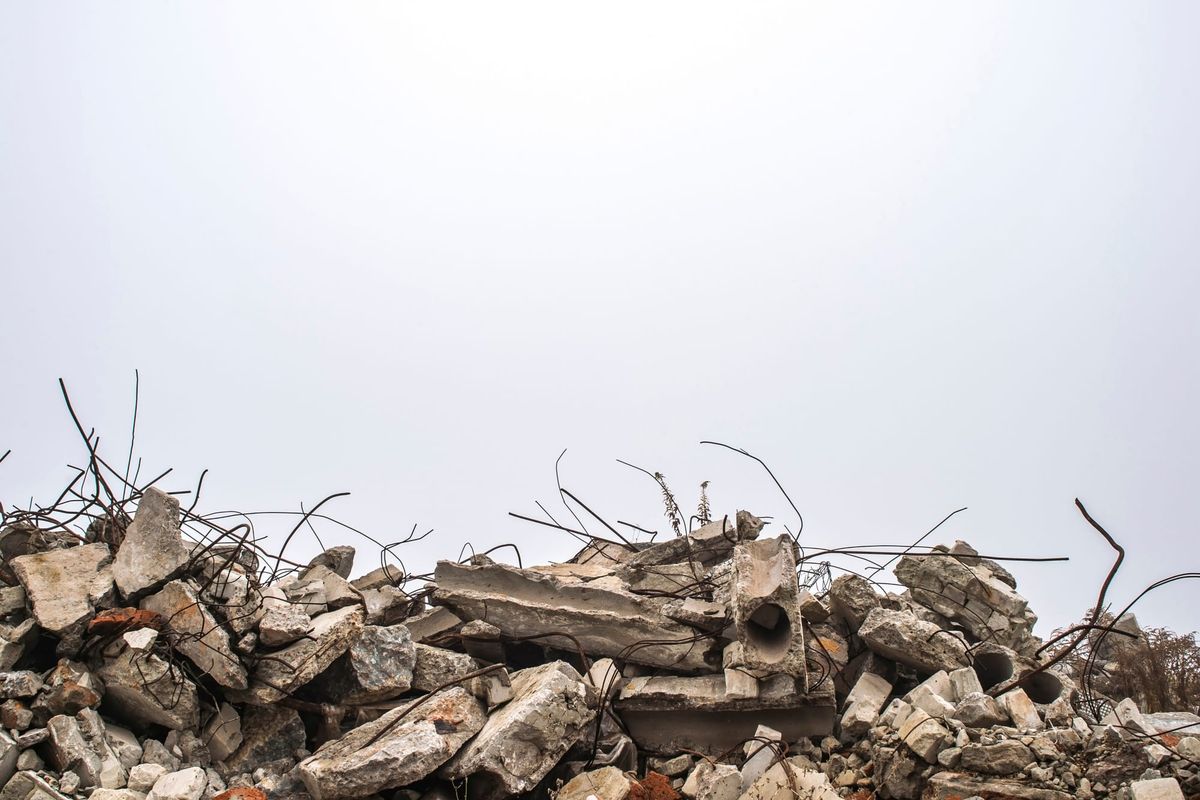
War is often treated as inevitable. A recurring feature of human history. A consequence of power, ideology, fear, and resources. Empires rise. Democracies falter. Conflicts return under new names.
But what if we've accepted that story too easily?
What if war is not an unavoidable outcome of human nature, but a design problem? A failure of systems, incentives, education, and imagination?
What if we rewrote the story?
What if peace was the strategy?
Imagine if every year of national service, in every country, was dedicated to learning how to build rather than destroy.
Not how to shoot a weapon, but how to resolve conflict. How to restore ecosystems. How to mentor children. How to rebuild communities. How to heal trauma, including the trauma inherited through generations.
Imagine if peace building carried the same prestige as military service.
Imagine if cooperation was treated as a strategic advantage rather than a moral aspiration.
What if we redesigned leadership?
If you were building a society from scratch, what qualities would you reward?
Would you choose the loudest voices? The most ruthless? The most charismatic?
Or would you elevate people capable of listening, thinking long-term, admitting mistakes, and holding complexity without reaching for violence?
What if strength looked less like domination and more like restraint? What if courage meant refusing easy enemies?
A world beyond dictators
Perhaps the question isn't how we defeat dictators. Perhaps it's how we build cultures that make them harder to create.
To get there, we might need:
- Education as resistance. Teaching history, ethics, critical thinking, and media literacy alongside maths and science.
- Peace as power. Making cooperation, diplomacy, and conflict resolution strategic advantages rather than afterthoughts.
- Visibility for truth. Exposing corruption, manipulation, and propaganda before they take root.
- New definitions of strength. Celebrating those who build, repair, protect, and unite.
- Leadership redefined. Encouraging people who seek responsibility rather than status.
The long game
Peace is not passive.
It requires discipline. Patience. Strategy.
It asks us to solve problems before they become conflicts before they become wars.
The long game is difficult. But so is rebuilding what violence destroys.
Continue the conversation
If you could redesign the story of war from the ground up, what would it look like? What systems would you build? What assumptions would you challenge? What would you choose differently?
How might we create a more peaceful future?
Share your vision here.