The Art of Distraction
Reclaiming focus in a world that thrives on chaos
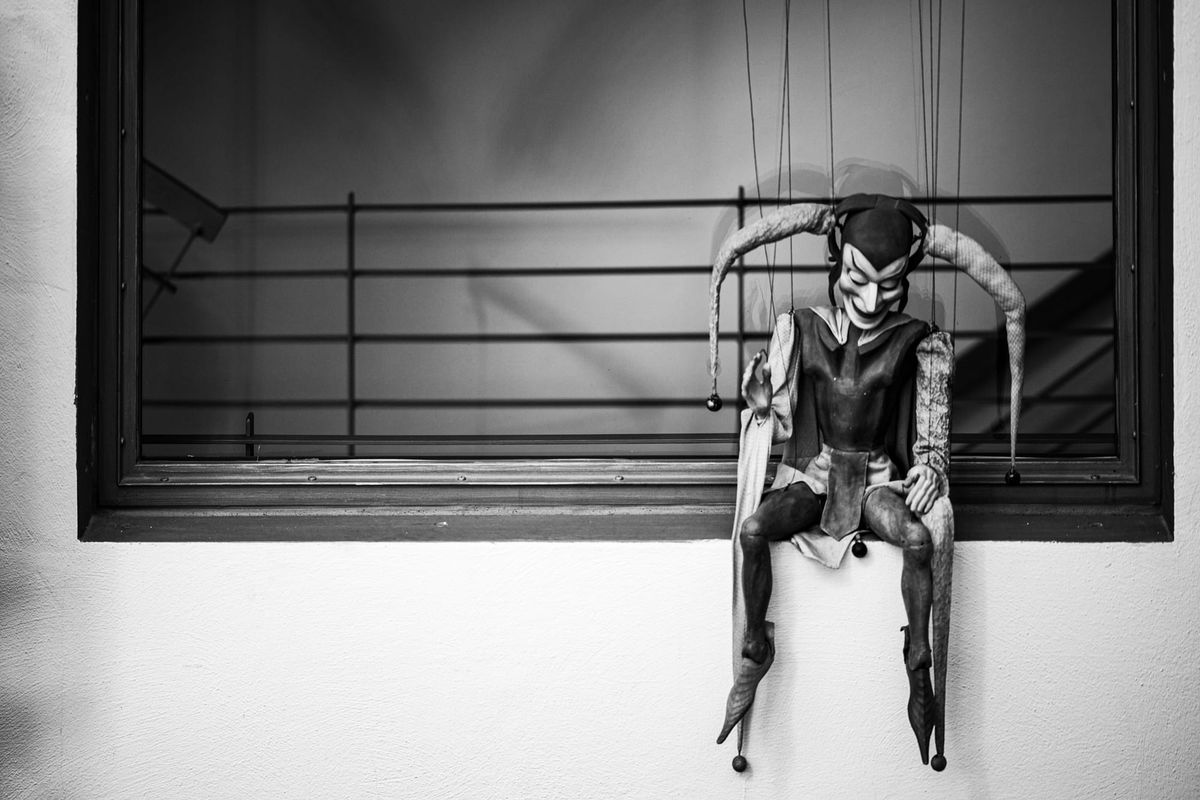
Most of us think of distraction as a personal problem. A lack of discipline. A wandering mind. Too much screen time. Too many notifications.
But what if distraction is bigger than that? What if it's not just something we experience, but something woven into the fabric of modern life?
This isn't a story about becoming more productive. It's a story about attention. About what deserves it. About what steals it. And about what becomes possible when we reclaim it.
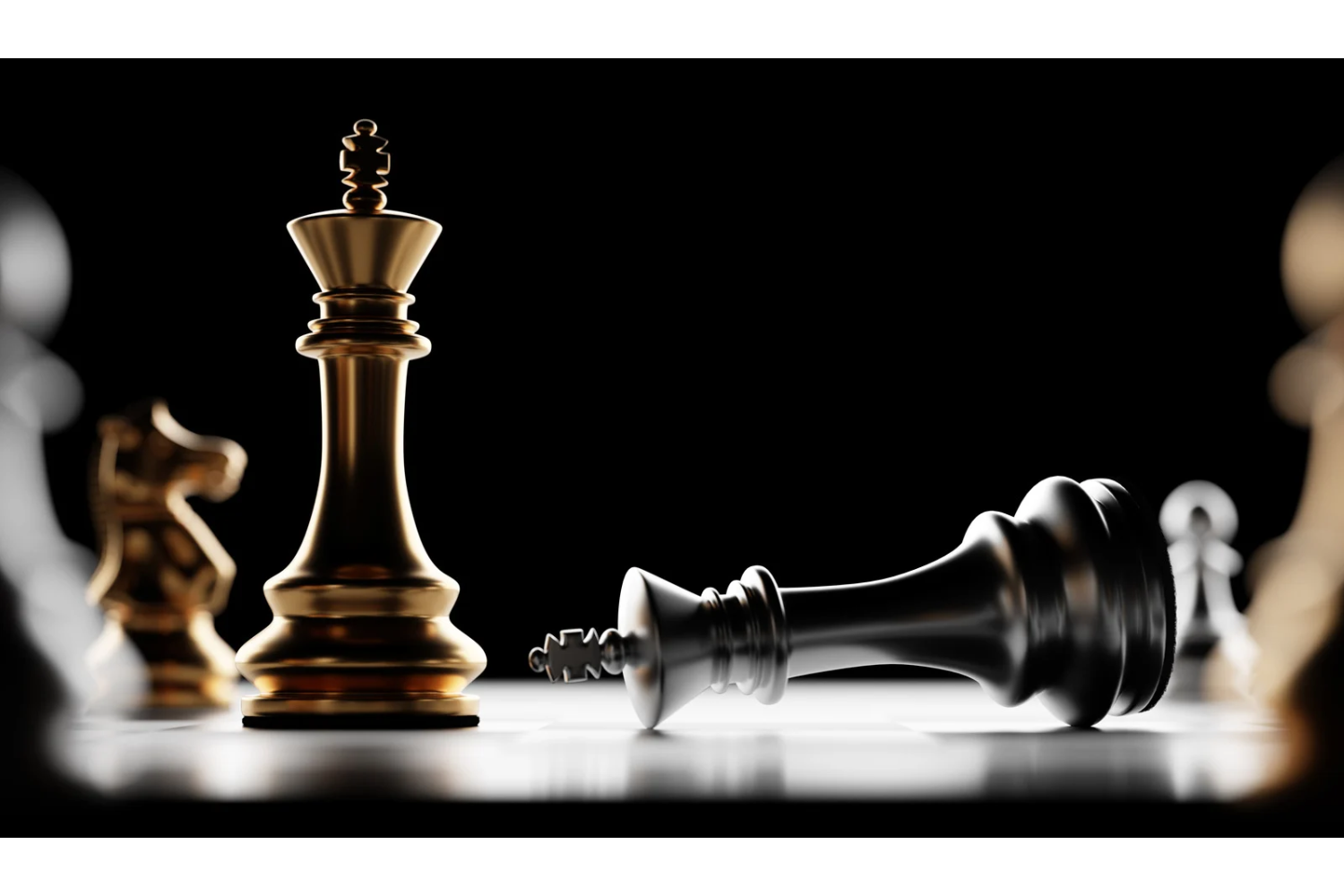
Why attention matters
Power has always been dependent on attention. Today, that reality is simply harder to ignore.
News cycles, social platforms, advertising, politics, entertainment, and even our own devices compete for the same finite resource: our focus.
Some of this is intentional. Some of it emerges naturally from our systems designed to reward novelty, outrage, speed, and engagement.
Either way, the result is often the same.
We spend so much time reacting that we rarely stop to reflect.
And when everything feels urgent, it becomes difficult to recognise what is actually important.
Learning to look away
Distraction isn’t only something that happens around us. It's something we do to ourselves.
Most of us have moments we'd rather avoid. An uncomfortable conversation. A difficult decision. A feeling we'd rather not sit with.
Often, we reach for a distraction without even thinking about it. A scroll. A task. A notification. Another episode. Another busy day. Not because we're weak. Because we're human.
Sometimes distraction comes from curiosity. Sometimes from habit. Sometimes from a desire to avoid discomfort.
The challenge isn't eliminating distraction entirely. It's recognising when it's helping us and when it's preventing us from seeing something we need to face.
The opposite of distraction
The opposite of distraction isn't productivity. It's presence.
It's the willingness to stay with an uncomfortable question long enough for a deeper answer to emerge.
To sit with uncertainty.
To notice what keeps pulling our attention away. To become curious about where our focus goes and why.
The world will always compete for attention.
The real question is whether we consciously choose where ours goes.
The rewrite
Perhaps the real power isn't found in being the loudest voice in the room. Perhaps it's found in attention itself.
The ability to choose what deserves your energy and what doesn't. To stay with a question. To notice what matters. To stop reacting long enough to decide how you want to respond.
Distraction thrives where everything feels urgent.
Clarity begins where we remember that not everything is.
In a distracted world, attention becomes an act of intention. And perhaps that's why reclaiming it feels so powerful.